Lifestyle
Was du tagsüber tust, prägt deinen Schlaf in der Nacht. Diese Ratgeber untersuchen Alltagsfaktoren, die deiner Erholung helfen oder schaden – Alkohol am Abend, Halbwertszeit von Koffein, Sport am Abend, Ernährung und Bildschirmzeit. Jeder Artikel verbindet die Forschung mit Änderungen, die du heute Nacht ausprobieren kannst.
What Is the 3-2-1 Rule for Sleep? What the Evidence Says About Each Step
The 3-2-1 sleep rule means no food 3 hours, no work 2 hours and no screens 1 hour before bed. What research actually supports, step by step, plus the 10-3-2-1-0 version.
How Much Sleep Do You Need by Age? The Official Recommendations
Recommended hours of sleep for every age, from newborns to adults over 65, according to the CDC, the American Academy of Sleep Medicine and the National Sleep Foundation.
Should You Stay in Bed If You Can't Sleep?
Sleep guidelines say no: if you can't fall asleep after about 20 minutes, get up and return when you feel sleepy. What this "stimulus control" rule is, and how to follow it.
What Lack of Sleep Does to Your Body: The Brain, the Heart and the Illnesses Linked to It
Which organ is most affected by lack of sleep, and which illnesses is it linked to? What the research shows for the brain and heart, and what it doesn't prove.
Why Do I Want to Sleep All the Time and Have No Energy?
The common causes of feeling sleepy all the time with no energy, the medical conditions a doctor may check for, and when the NHS says to see a GP.
Why Am I Falling Asleep All Day but Can't Sleep at Night?
Sleepy all day, wide awake at night? The common reasons, from naps and a late body clock to insomnia, and what official sleep guidance says to do about it.
Why Am I Always Tired After 8 Hours of Sleep?
You slept a full 8 hours but Monday still wrecks you. Social jetlag — the weekend-vs-weekday schedule shift — throws off your body clock. Here's the fix.
Can You Catch Up on Sleep on the Weekend?
Weekend sleep-ins feel like they erase a bad week. Research shows the recovery is partial at best — and can make Sunday-night insomnia worse.
How to Fall Asleep Faster: Day Adjustments for Better Night Sleep
Falling asleep fast is decided hours before bedtime. How morning light, a caffeine curfew, and consistent timing shorten your time to fall asleep.
Tossing and Turning? How to Spend Your Last Hour Before Lights Out
The last 60 minutes before bed decide how fast you fall asleep. The evidence-based routine for light, temperature, and a racing mind — plus how to track it.
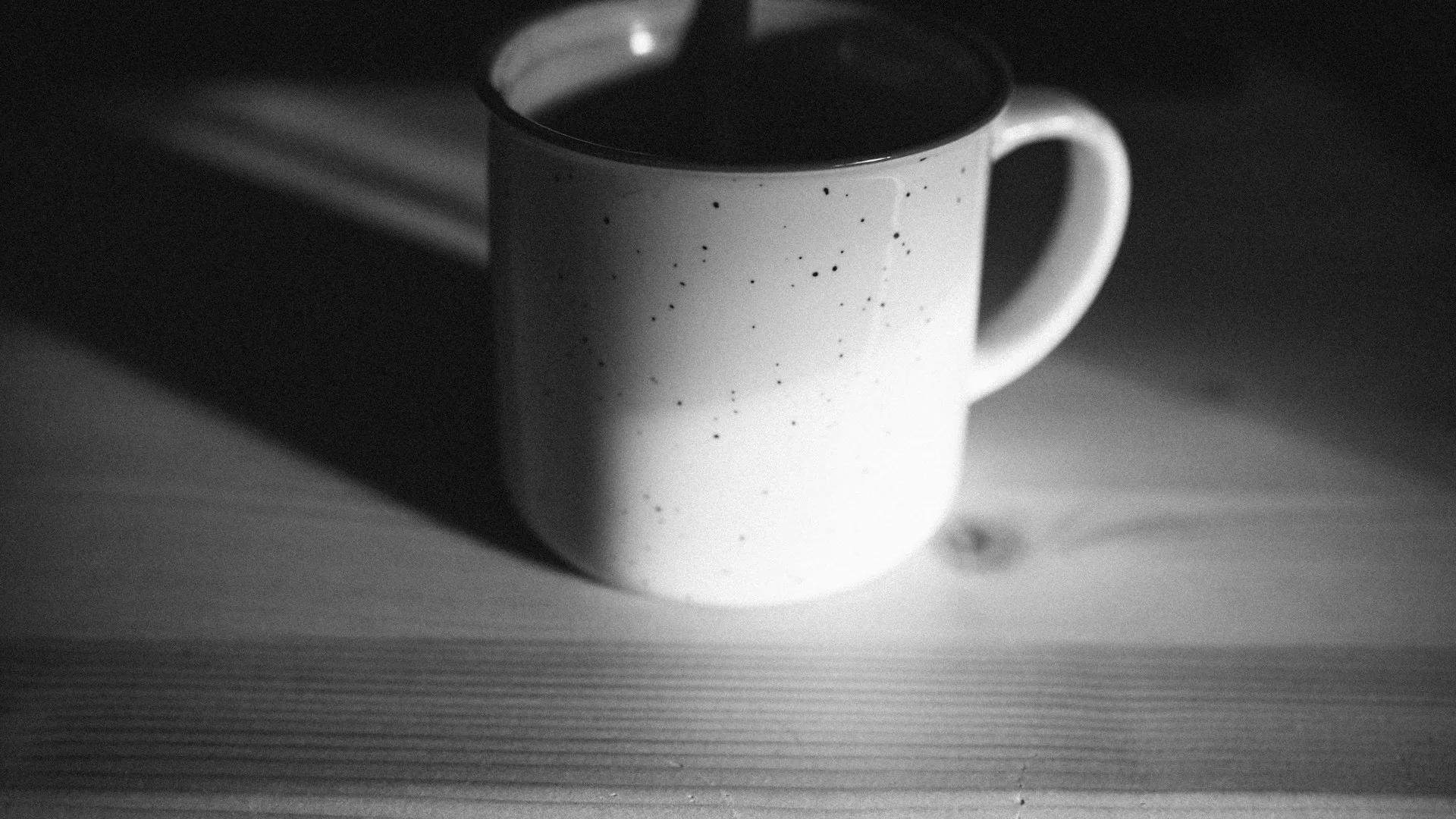
Why Your Afternoon Coffee Might Disrupt Deep Sleep: The Science of Caffeine Half-Life
That 3 PM latte stays in your system longer than you think. Learn how caffeine blocks adenosine, why its half-life matters, and how to find your personal cutoff time.
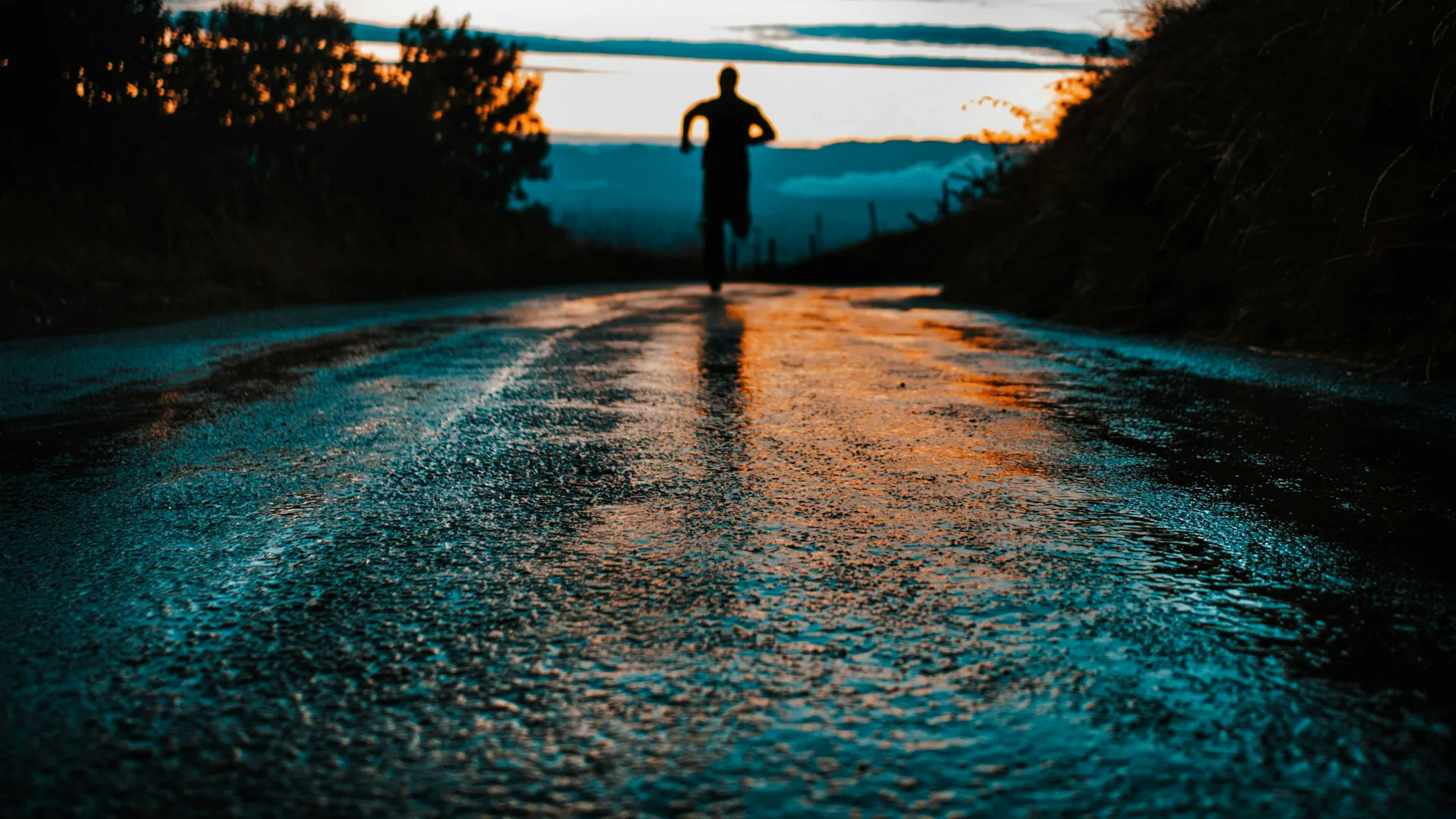
Evening Workouts and Sleep Quality: How Late-Night Exercise Affects Your Rest
Regular physical activity improves sleep, but does hitting the gym late do more harm than good? Learn how exercise intensity, timing, and your buffer window affect your rest.
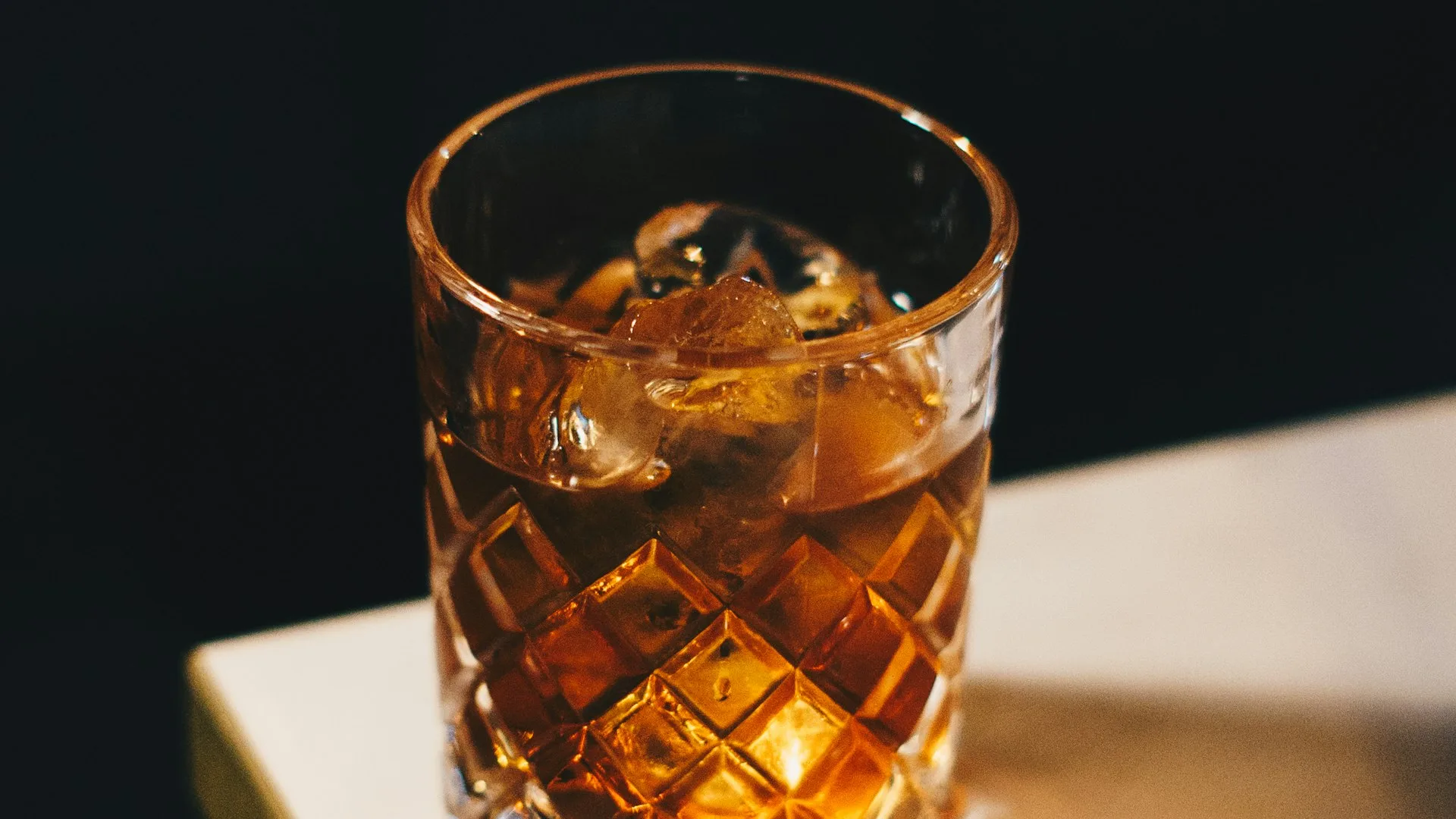
Why Alcohol Disrupted Sleep Leads to a 3 AM Wake-Up Call
A nightcap makes you drowsy but wrecks your sleep stages. Here's how alcohol raises your heart rate, suppresses REM, and fragments the second half of your night.
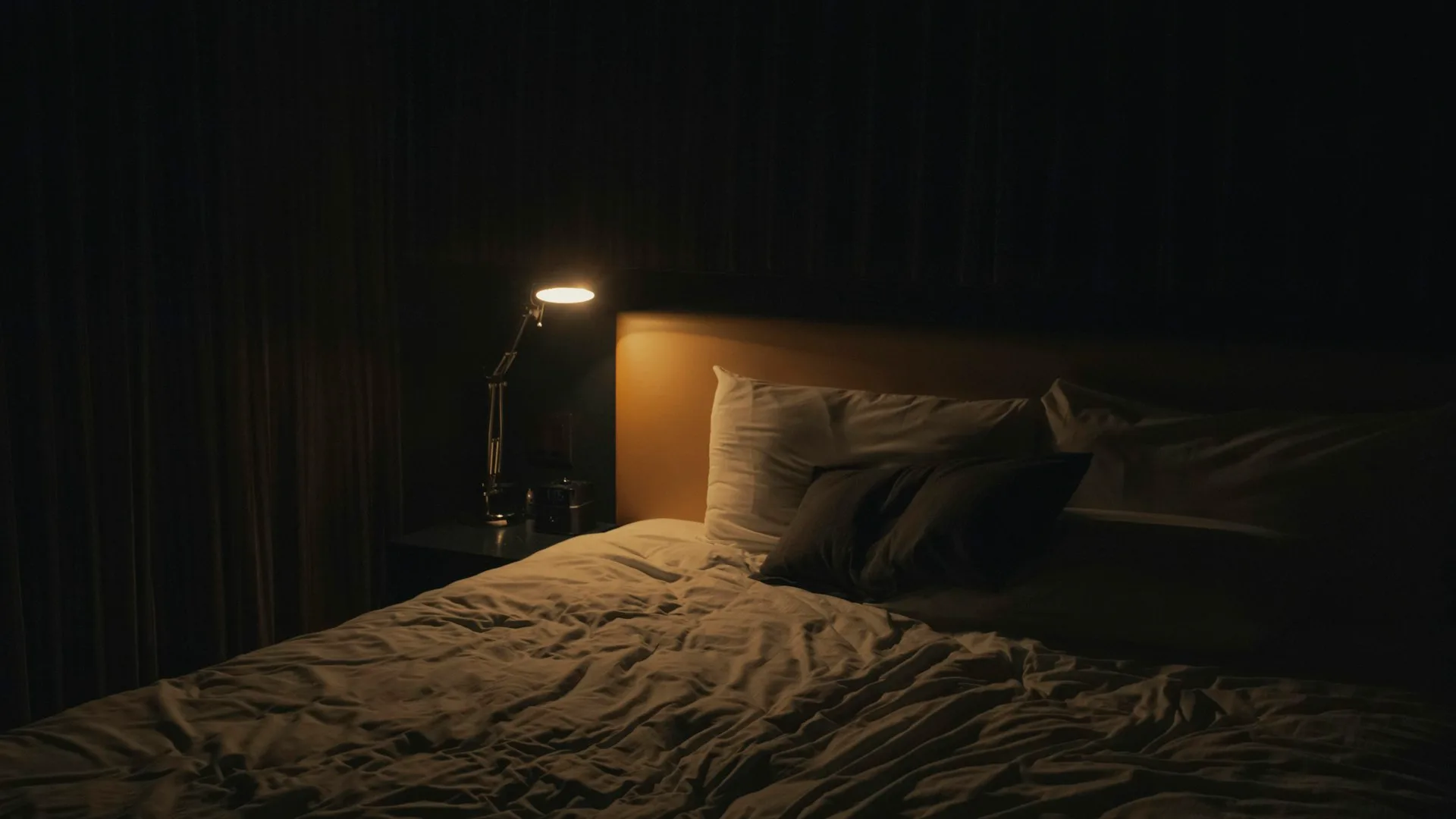
How Much Deep Sleep Do You Need? What's Normal by Age — and How to Get More
How much deep sleep is normal, why it matters more than total hours, what reduces it, and how to measure your own deep sleep without a clinic.

REM, Deep, and Light Sleep — What Each Stage Does and How to Get More
A 5-minute primer on the four sleep stages: what REM, Deep, and Light each do for your body, how much you need, and how to track them on iPhone.
Why Do I Feel Like I Never Get Enough Sleep, Even After 8 Hours?
Feel like you never get enough sleep, even after eight hours? Seven common reasons, from short or broken sleep to sleep apnoea and medical causes, and when to see a doctor.