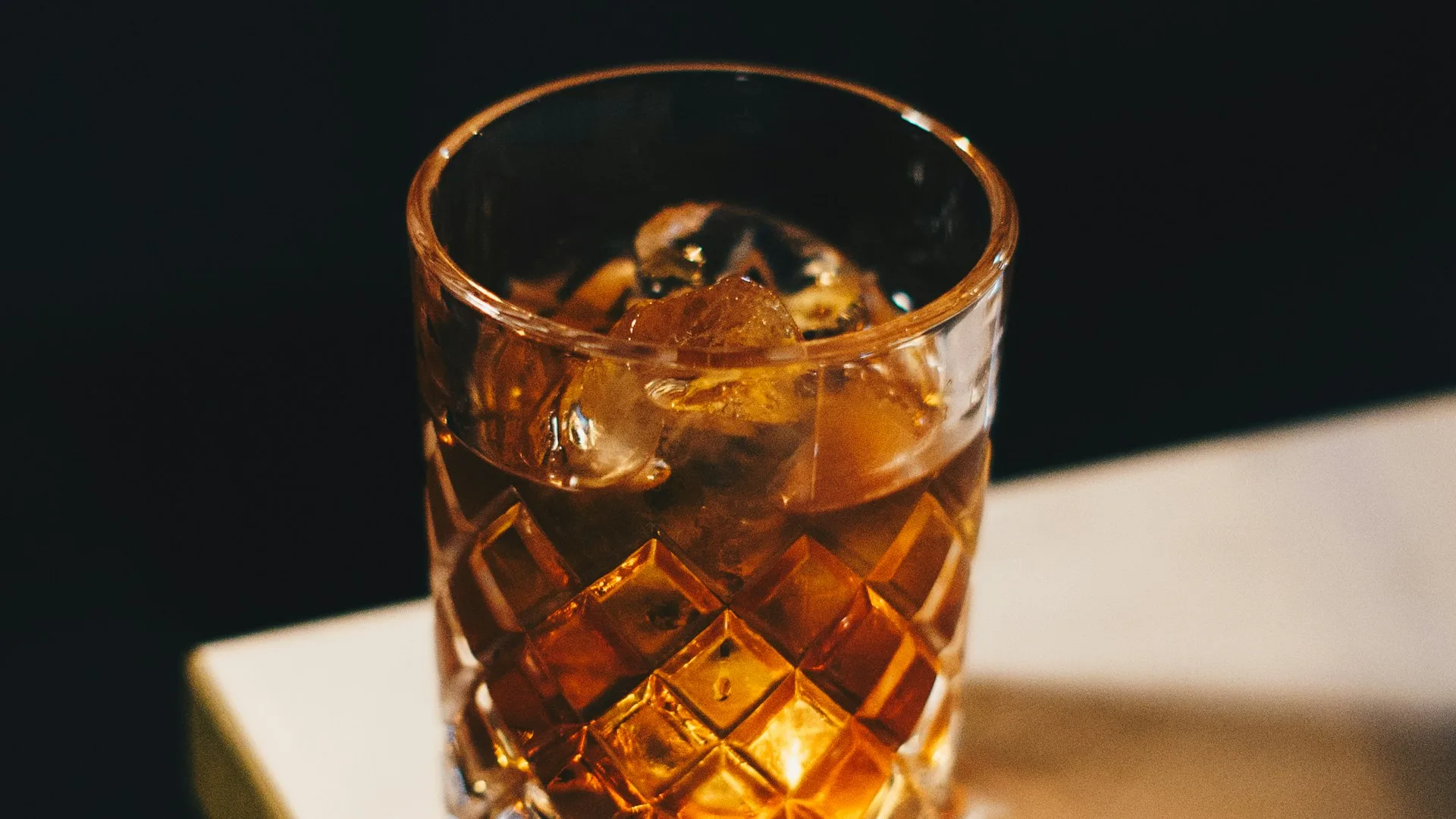
You pour a glass of wine or a nightcap to help you unwind, expecting a long, deep night of rest. It works at first — you feel drowsy, and you drift off quickly. But a few hours later, you are wide awake, staring at the ceiling.
While a drink before bed induces initial drowsiness, alcohol and sleep quality just don’t mix. Instead of a sleep aid, alcohol acts as a nighttime disruptor. Here is exactly what happens while you sleep, why a drink blocks your recovery, and how you can protect your rest tonight.
The Brain Deception
Alcohol is a central nervous system depressant. When it enters your bloodstream, it slows down neural activity in your brain. This mimics the feeling of deep relaxation, shortening the time it takes to drift off.
But this sedated state is a trick. As your liver metabolizes the alcohol, your body experiences a sharp rebound effect that flips relaxation into stress.
As the night progresses:
- Your nervous system shifts: Your sympathetic nervous system — your “fight-or-flight” response — spikes, forcing your body into a low-grade stress state while you sleep.
- Your pulse climbs: Your sleeping heart rate increases significantly above your normal baseline, keeping your cardiovascular system working when it should be resting.
- Heat and dehydration kick in: Alcohol raises your core body temperature and triggers nighttime thirst, leading to tossing, turning, and frequent micro-awakenings.
See Where Your Night Breaks Down
Late-night drinking alters your natural sleep cycles. Healthy rest requires a smooth, balanced progression through deep sleep and REM (Rapid Eye Movement) stages.
When alcohol is in your system, that balance breaks down:
- Suppressed REM cycles: Alcohol alters your REM stage, especially during the first half of the night. Since REM sleep handles cognitive restoration and mental processing, skipping it leaves you feeling mentally foggy the next morning.
- Artificial deep sleep: A drink can artificially lengthen your deep sleep initially, but it comes at a cost. As the sedative effect wears off, the second half of your night becomes highly fragmented.
This is why you can easily feel exhausted after 8 hours of sleep. Even if you spent enough total time in bed, your brain missed out on its natural restorative cleanup.
Practical Rules to Protect Your Rest
If you choose to drink, you can minimize the impact on your sleep stages with a few simple adjustments:
- Give yourself a 4-hour buffer: Stop drinking roughly 4 hours before bedtime. This gives your system enough time to process the alcohol before your core temperature needs to drop for sleep.
- Match with water: Drink one glass of water for every alcoholic beverage to counteract dehydration and help stabilize your nighttime heart rate.
- Stop guessing. See how you recover: Use Snollo to track your nightly trends. By monitoring changes in your sleep efficiency and resting heart rate on days you drink versus days you don’t, you can quickly find your personal biological tolerance. Your sleep data is yours — it lives on your device and in your iCloud, never anywhere else.
FAQ
Does alcohol help you sleep?
It makes you drowsy and helps you fall asleep faster, but it degrades overall sleep quality. As the sedative effect wears off, it fragments your sleep stages, raises your heart rate, and cuts your vital recovery short.
Why do I wake up in the middle of the night after drinking?
It is tied to the late-night rebound effect. As your body finishes processing the alcohol, a surge of stress hormones and “fight-or-flight” activity forces you out of sleep. If you can’t fall back asleep, get out of bed for 20 minutes to break the frustration cycle before trying again.
Can alcohol cause sleep deprivation if I sleep a full 8 hours?
Yes. Sleep quality matters just as much as sleep quantity. Alcohol disrupts your sleep patterns and shortens key restorative phases. Even if you stay in bed for 8 hours, you can still wake up feeling unrefreshed.
How long before bed should I stop drinking?
To protect your sleep, aim to finish your last drink 3 to 4 hours before bedtime, giving your body enough time to clear the stimulant from your bloodstream.