Ronco e Apneia
Snoring affects nearly half of all adults at some point, and for many it signals something deeper — obstructive sleep apnea, a condition that disrupts breathing dozens of times per night. Our snoring and apnea guides cover why people snore, how to tell harmless noise from a medical concern, and what you can do about it. From understanding your STOP-BANG risk score to recording and tracking snoring patterns on your iPhone, these articles are grounded in sleep medicine research and written for anyone who wants clearer answers about what happens when they close their eyes.

Do Healthy, Fit People Snore? Yes — Here's Why
Being slim and active lowers your odds of snoring, but it doesn't make you immune. Jaw shape, nose, tonsils, alcohol and sleep position matter too, and fit people can even have sleep apnea.

Is Snoring Bad? When It's Normal and When to Worry
Most snoring is harmless noise. But loud, nightly snoring with gasps or breathing pauses can be a sign of sleep apnea. Here's how to tell which kind you have, in plain language.
Do Snorers Know They Snore? Why You Can't Hear Yourself (and How to Find Out)
Most snorers have no idea they snore until someone tells them. Here's why you don't hear it, the morning clues that give it away, and how to check if you sleep alone.
Mouth Taping for Snoring: Does It Work? What the Evidence Says
Mouth taping is all over social media as a snoring fix. A 2025 systematic review found little evidence it helps — and a real risk for people with sleep apnea. Here's what the research shows and what to try instead.
Sleep Apnea in Women: Why It's Underdiagnosed and What the Symptoms Actually Look Like
Sleep apnea in women is dramatically underdiagnosed — because screening tools were built around a male presentation. Women often don't snore loudly. Here's what the peer-reviewed evidence shows about how OSA actually presents in women, and how to catch it.
Why Did I Suddenly Start Snoring? Causes of New-Onset Snoring
Snoring when you never used to? The usual causes of sudden, new-onset snoring — weight, congestion, alcohol, aging, pregnancy, menopause — and when it signals sleep apnea.
Does Snoring Mean You Have Sleep Apnea? How to Tell the Difference
Most snoring is harmless — but some is a warning sign of obstructive sleep apnea. Here's how to tell the two apart, the red flags that warrant a doctor, and how to gather your own evidence first.
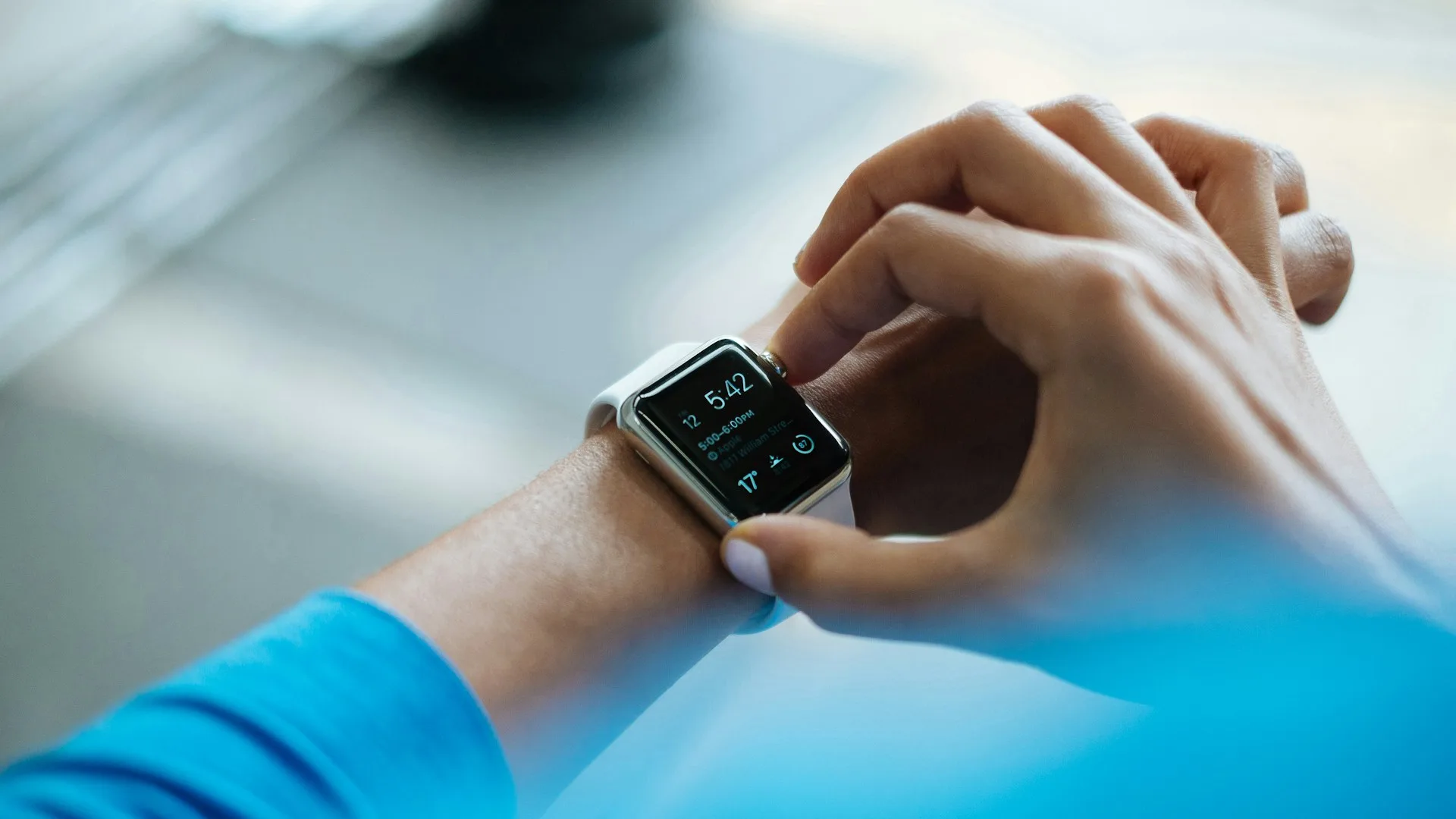
Apple Watch Sleep Apnea Notifications: What They Detect (and What They Miss)
Apple Watch can now flag signs of sleep apnea using wrist movement — a genuinely useful screen. Here's how the feature works, which models support it, what it can't see, and how to fill the gap.
How to Stop Snoring: Evidence-Based Methods That Actually Work
What actually reduces snoring — from sleep position and weight to nasal airflow and alcohol timing — plus how to tell whether your snoring is harmless or a sign of sleep apnea.
Track Snoring on iPhone Without an Apple Watch (2026 Guide)
Track snoring on iPhone without an Apple Watch. Snollo classifies snoring and breathing from the mic, and infers sleep duration from motion — all on-device.
How to Record Snoring on iPhone (4 Steps, Private & Free)
Record snoring on iPhone with an app that processes audio on-device. Four steps — including what to check to protect your bedroom privacy.

How to Know If You Have Sleep Apnea Without a Sleep Study
Screen yourself for obstructive sleep apnea at home — using a validated 8-question tool, your own nighttime data, and the warning signs doctors check.
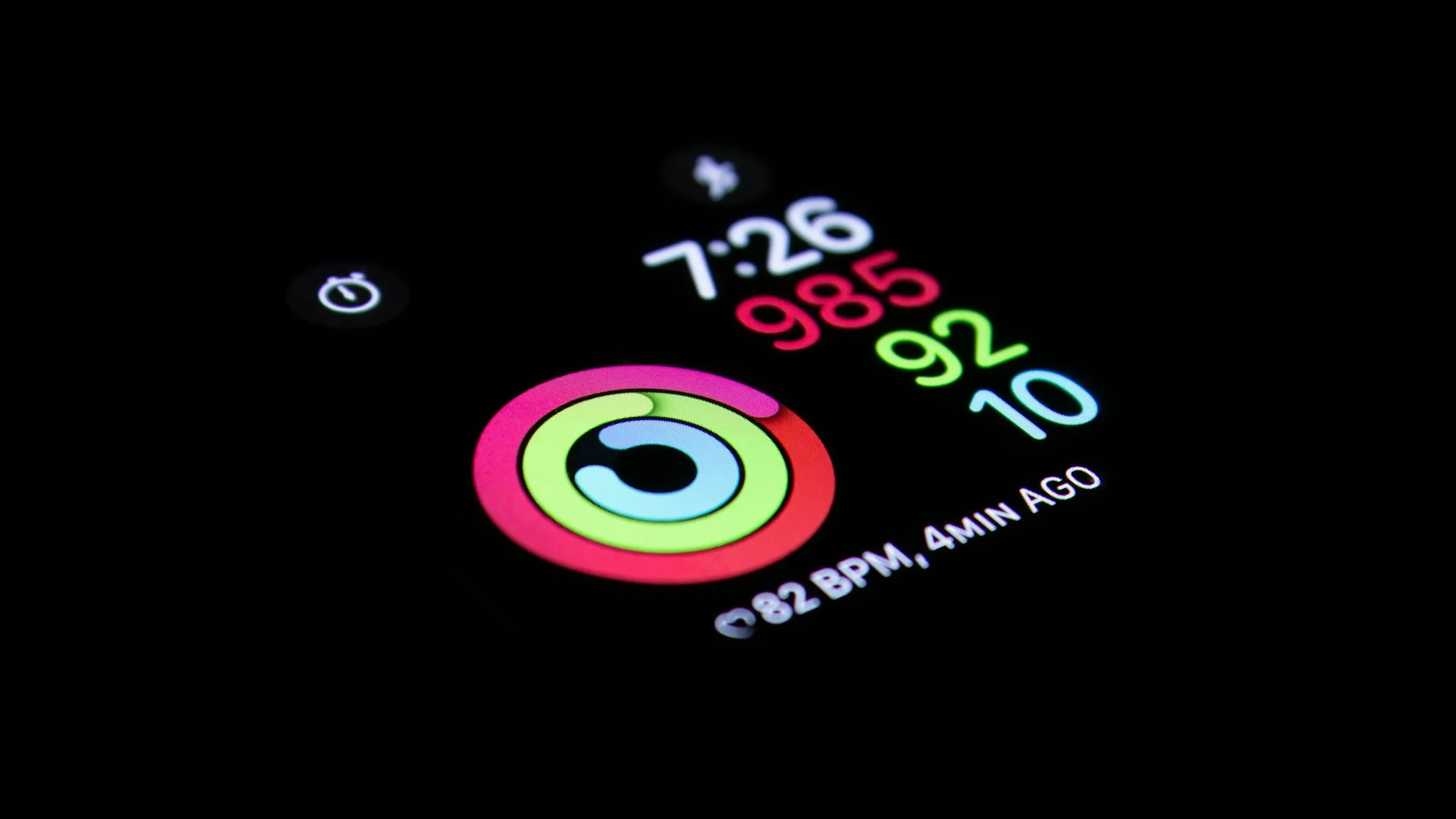
Does Apple Watch Track Snoring? (No — Here's the Fix)
Apple Watch doesn't record snoring — it tracks motion, heart rate, and breathing. What it measures, what it can't, and how to add snore detection.