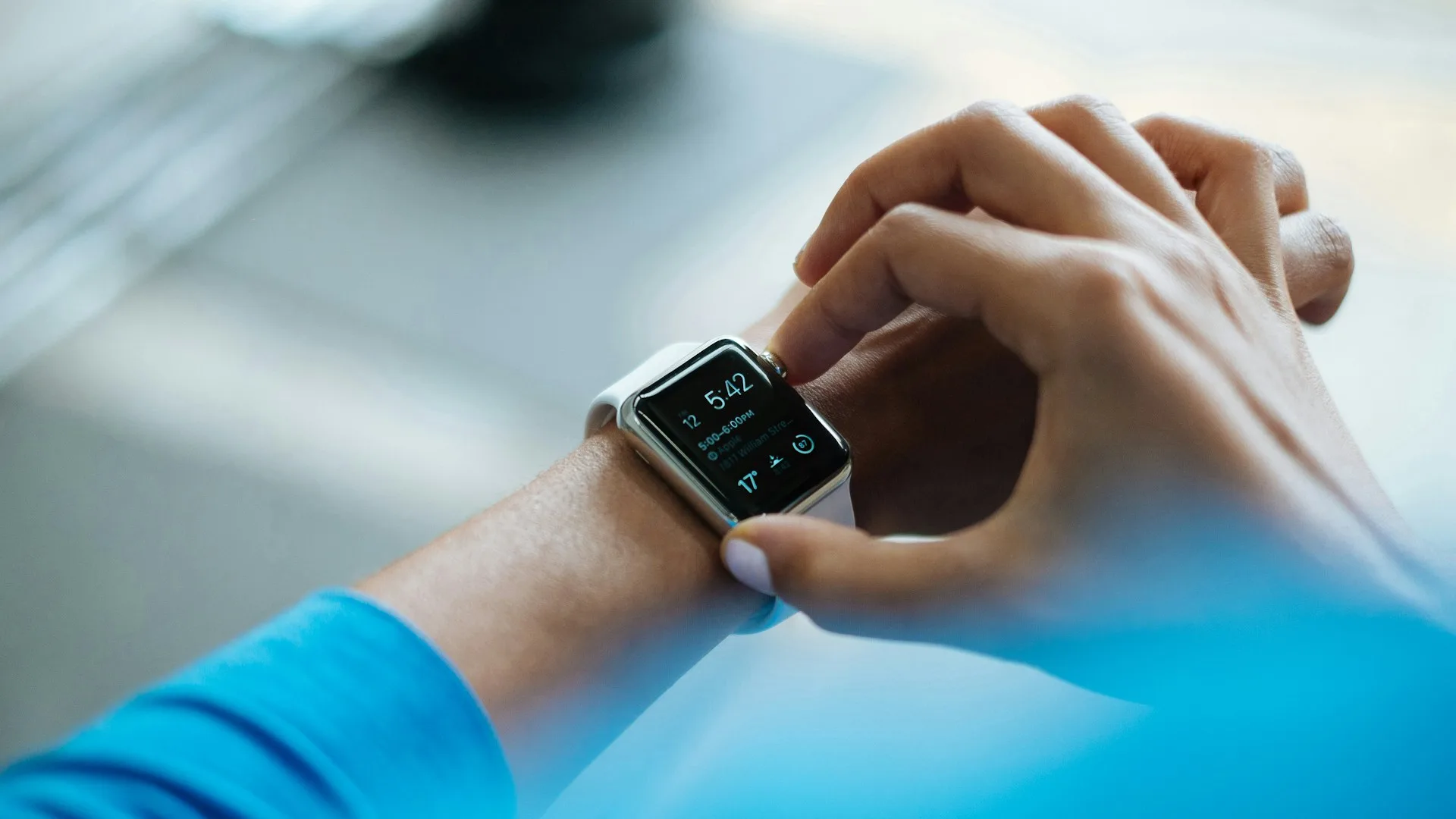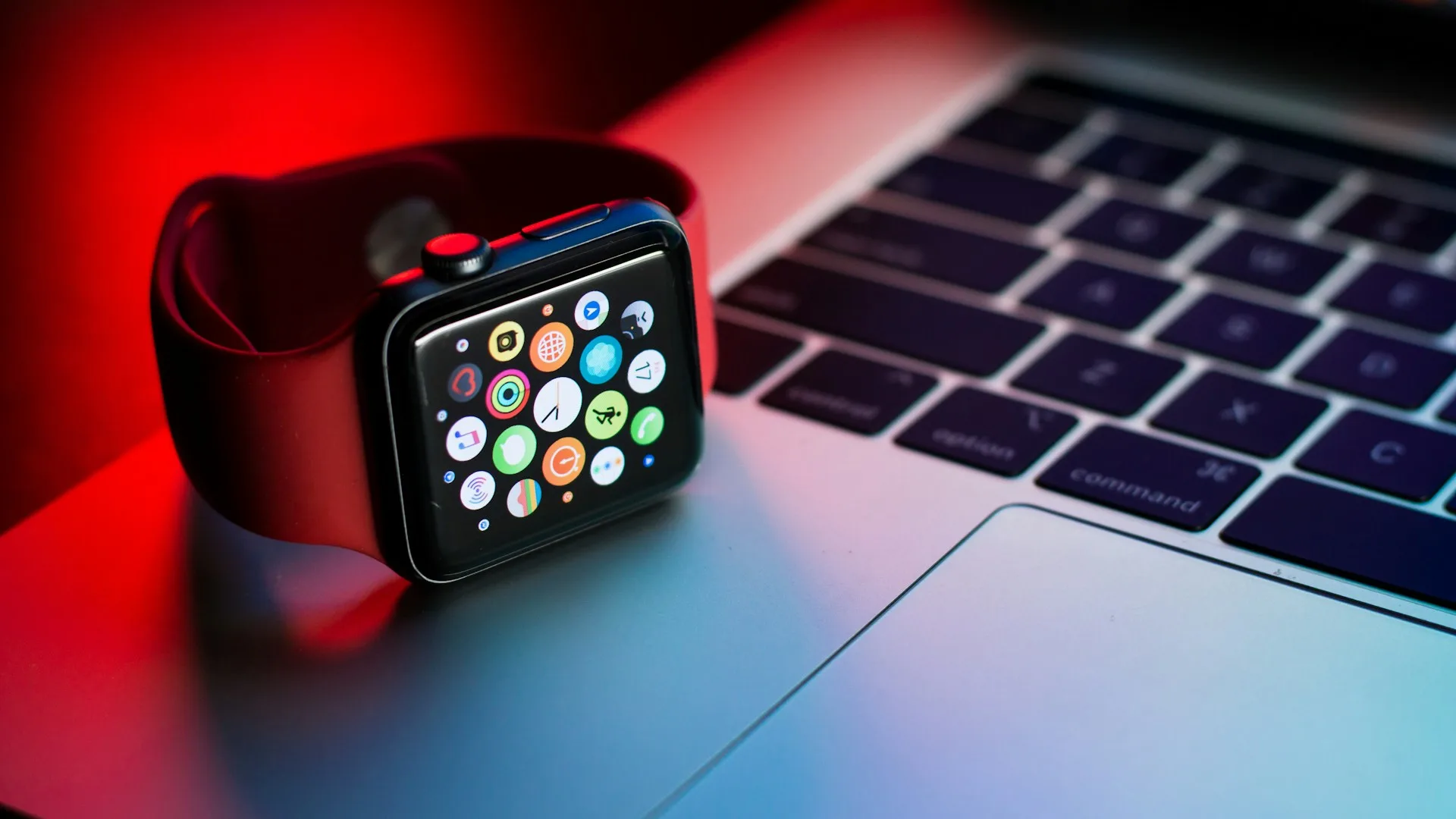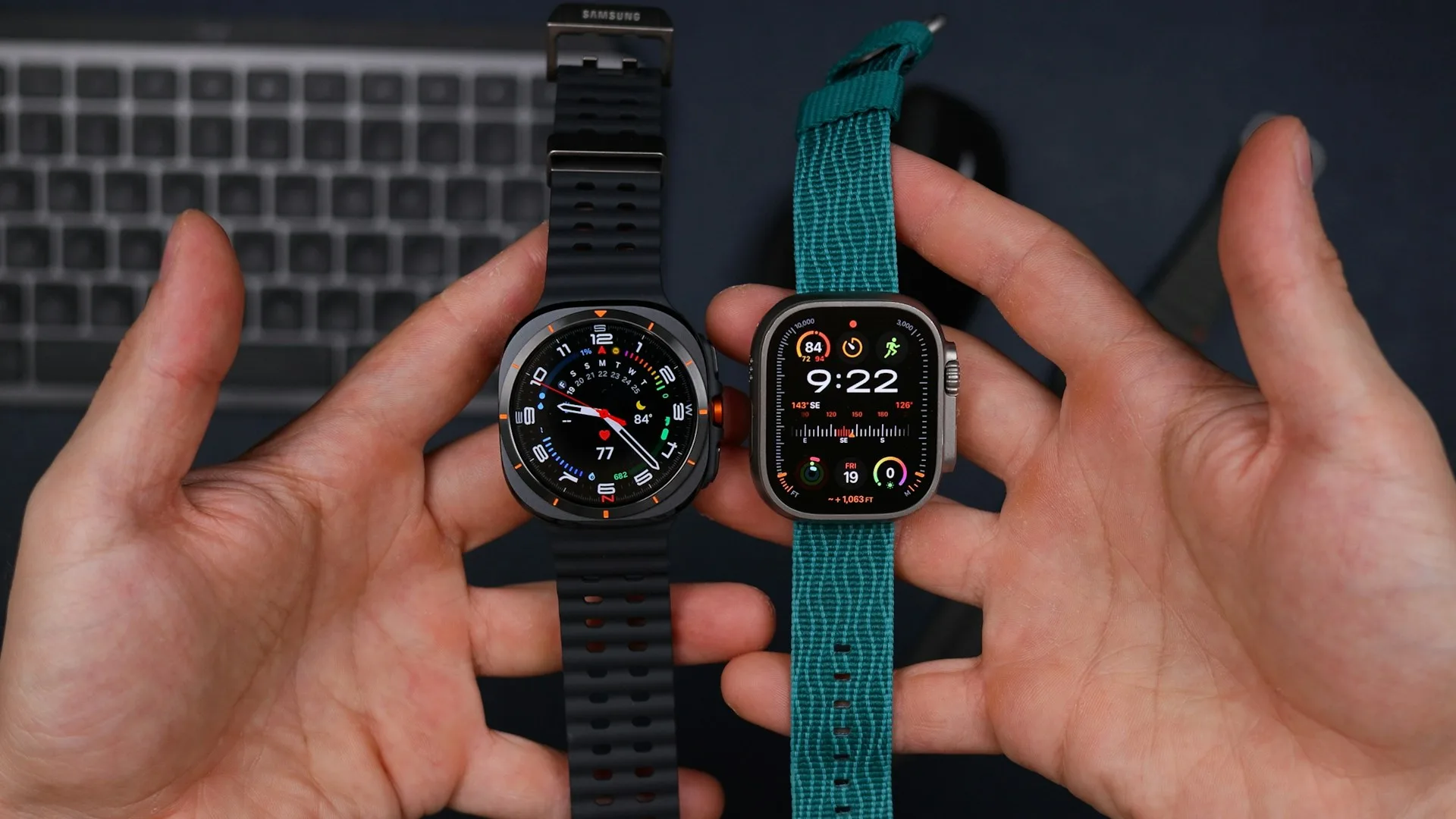
Apple Watch, Oura Ring, and Whoop all track sleep well. They differ on comfort, battery, price, and what they let you do with the data — not on whether they basically work. Here’s an honest side-by-side, including where each one genuinely beats the others.
Quick Answer (TL;DR)
- Apple Watch — best all-rounder if you already own one; sleep stages, heart rate, and FDA-cleared sleep apnea notifications on Series 9, Series 10, and Ultra 2. No extra subscription needed. Blood oxygen sensing is available on Series 6 and later in supported countries and regions; US models purchased after January 18, 2024 use a software-based measurement on iPhone (watchOS 11.6.1 or later required).
- Oura Ring — best for comfort and multi-day battery (5–8 days). Easy to forget you’re wearing it.
- Whoop — best for athletes focused on recovery and training load; subscription required to use the device at all.
- None of these devices replaces a clinical sleep study (polysomnography). For spotting your own trends over time, all three are useful.
Key Takeaways
- Consumer wearables estimate total sleep time reasonably well, but sleep-stage classification is less precise than clinical polysomnography — a finding consistent across multiple independent validation studies.
- Apple Watch Series 9, Series 10, and Ultra 2 carry FDA 510(k) clearance for sleep apnea notifications (not diagnosis); they alert you if the device detects consistent signs of moderate-to-severe sleep apnea so you can follow up with a doctor.
- Blood oxygen (SpO2) sensing on Apple Watch is hardware-dependent (Series 6 and later, excluding SE and Watch for Kids) and subject to regional availability; US models purchased after January 18, 2024 require watchOS 11.6.1 and process measurements on the paired iPhone. All measurements are for general wellness, not medical use.
- Oura Ring 4 official battery life is 5–8 days, making bedtime charging a non-issue for most people.
- Whoop requires an active paid membership to function; there is no hardware-only purchase option.
- An iPhone alone can track sleep duration and timing via built-in sensors; adding an Apple Watch improves sleep-stage estimates and adds heart-rate data.
The Short Version
- Apple Watch — best if you already own one or live in the Apple ecosystem. Sleep stages, heart rate, and sleep apnea notifications on Series 9, Series 10, and Ultra 2, with no subscription for built-in tracking. Blood oxygen sensing is available on Series 6 and later in supported countries and regions; in the US, models purchased after January 18, 2024 require watchOS 11.6.1 and process measurements on the paired iPhone. The trade-off is battery: you have to fit charging around bedtime.
- Oura Ring — best for comfort and battery. A ring is easy to forget you’re wearing, and the Oura Ring 4 lasts 5–8 days per charge, so it’s the most wearable to bed. You buy the ring, but most insights sit behind an optional subscription.
- Whoop — best for recovery and strain coaching, aimed at training hard and managing load. It’s a screenless band, and it’s subscription-only — you can’t use it without an active membership.
None of these is a medical device, and none matches a clinical sleep study. For seeing your own patterns over time, all three are reliable.
Where Each One Wins
Oura is more comfortable. If you find a watch bulky in bed, a ring solves that, and you’ll charge it far less often. For pure sleep-to-bed wear, it’s the easiest.
Whoop goes deepest on recovery. Its strain-and-recovery model is built for athletes who plan training around how their body is bouncing back. If that’s your goal, it’s the most opinionated coach of the three.
Apple Watch does the most for the least friction — if you already have one. Sleep stages, heart rate, and apnea notifications come built in on supported models, it syncs straight to Apple Health, and there’s no extra subscription for the basics. The honest catch is battery management around bedtime.
We’re not going to pretend one device wins outright. The right one is mostly about which trade-off you can live with.
What the Research Says About Accuracy
Independent validation studies consistently find that consumer wearables estimate total sleep time reasonably well, but struggle more with sleep-stage classification. A 2025 study in Sleep Advances that compared six wrist-worn wearables — including the Apple Watch Series 8 and Whoop 4.0 — against polysomnography found that the Apple Watch and Fitbit devices showed the strongest performance for total sleep time and sleep efficiency, while all devices showed limited accuracy for detecting wake after sleep onset.1 A separate 2024 study published in Sensors reached a similar conclusion: most newer-generation devices can estimate total sleep time within clinically acceptable levels, but none replicate the granular sleep-architecture data from a clinical sleep study.2 A large multicenter validation study of 11 different consumer sleep technologies — wearables, nearables, and app-based trackers — found substantial variation in performance, with the highest sleep-stage macro F1 score reaching 0.69 and the lowest 0.26.3
The short version: all three wearables give you useful sleep trends over time, but a polysomnography study is the appropriate tool if you suspect a sleep disorder.
The Option People Forget: the Tracker You Already Own
You don’t need to buy anything to start. If you have an iPhone, it already tracks sleep duration and timing on its own — see does the iPhone track sleep on its own? And if you own an Apple Watch, you’ve got more accurate stage estimates plus heart rate; the question is what reads and explains that data.
That’s where Snollo fits. It isn’t a wearable — it’s the app that turns the data into something useful.
Snollo is a sleep tracking app for iPhone and Apple Watch. It reads sleep stages and heart rate from Apple Health, scores each night, and records audio on your iPhone to detect snoring and noises that disrupt your rest. Sleep data stays on your device and in your own iCloud. Snollo does not diagnose or treat any medical condition.
Two things Snollo does that none of the three wearables do:
- Hears your night. Apple Watch, Oura, and Whoop measure your body, but none records what’s happening in the room. Snollo detects and times snoring, talking, and noise, and lets you listen back to the moments that broke your sleep.
- Keeps the data with you. Where your sleep and audio data live varies a lot across sleep services. With Snollo, audio is processed on your iPhone and saved clips go to your own iCloud, under the Apple ID you already have — the private sleep tracker guide covers exactly how.
How to Choose
- You already own an Apple Watch → use it with an app like Snollo. You’ve paid for the hardware; get stages, a nightly score, and sound detection on top, with core tracking free.
- You want the comfiest thing to wear to bed → Oura Ring.
- You train hard and care about recovery → Whoop.
- You don’t want to buy anything yet → start with just your iPhone tonight — see which sleep apps are genuinely free — and add a watch later if you want sharper stage estimates plus heart rate data.
If you’re leaning toward the app side of this, download Snollo and start with the device you already have. For more on watch accuracy specifically, see how accurate is Apple Watch sleep tracking.
Snollo does not diagnose or treat any medical condition. Sleep apnea notifications on Apple Watch are a prompt to talk to a doctor, not a diagnosis.
Sources
- Track your sleep on Apple Watch and use Sleep on iPhone — Apple Support
- How to use the Blood Oxygen app on Apple Watch — Apple Support
- Apple Watch Series 10 features sleep apnea notifications — American Academy of Sleep Medicine
- Apple introduces groundbreaking health features (FDA clearance for sleep apnea notifications) — Apple Newsroom
- An update on Blood Oxygen for Apple Watch in the U.S. — Apple Newsroom
- Oura Ring 4 Battery Life — Oura Support
- WHOOP Membership Options — Whoop
- A performance validation of six commercial wrist-worn wearable sleep-tracking devices for sleep stage scoring compared to polysomnography — PubMed Central
- Evaluating Accuracy in Five Commercial Sleep-Tracking Devices Compared to Research-Grade Actigraphy and Polysomnography — PubMed Central
- Accuracy of 11 Wearable, Nearable, and Airable Consumer Sleep Trackers: Prospective Multicenter Validation Study — PubMed Central
Footnotes
-
Schyvens A et al. “A performance validation of six commercial wrist-worn wearable sleep-tracking devices for sleep stage scoring compared to polysomnography.” Sleep Advances 2025;6(2):zpaf021. PubMed Central ↩
-
Kainec KA et al. “Evaluating Accuracy in Five Commercial Sleep-Tracking Devices Compared to Research-Grade Actigraphy and Polysomnography.” Sensors 2024;24(2):635. PubMed Central ↩
-
“Accuracy of 11 Wearable, Nearable, and Airable Consumer Sleep Trackers: Prospective Multicenter Validation Study.” PubMed Central ↩
Sources
- Track your sleep on Apple Watch and use Sleep on iPhone — Apple Support
- How to use the Blood Oxygen app on Apple Watch — Apple Support
- Apple Watch Series 10 features sleep apnea notifications — American Academy of Sleep Medicine
- Apple introduces groundbreaking health features — Apple Newsroom
- An update on Blood Oxygen for Apple Watch in the U.S. — Apple Newsroom
- Oura Ring 4 Battery Life — Oura Support
- WHOOP Membership Options — Whoop
- A performance validation of six commercial wrist-worn wearable sleep-tracking devices for sleep stage scoring compared to polysomnography — Sleep Advances / PubMed Central
- Evaluating Accuracy in Five Commercial Sleep-Tracking Devices Compared to Research-Grade Actigraphy and Polysomnography — Sensors (MDPI) / PubMed Central
- Accuracy of 11 Wearable, Nearable, and Airable Consumer Sleep Trackers: Prospective Multicenter Validation Study — PubMed Central